With a tracheostomy, your doctor makes a small hole (stoma) in your windpipe (trachea) through your neck. A tracheostomy tube (trach tube) is then placed into the stoma. Air goes into and out of your lungs through the tube. This surgery is done when someone has long-term breathing problems through their nose and mouth. Check that you have a home care instruction manual for tracheostomy before you leave the hospital. Also make sure you get contact information for an equipment supply company and a checklist of emergency supplies.
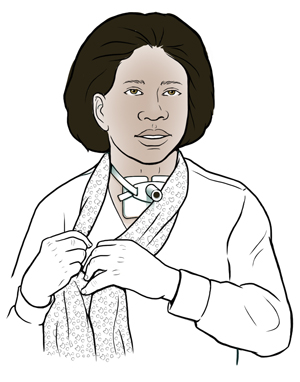
Here are answers to some common questions that people often ask about tracheostomy. If you have other questions, ask a member of your care team.
Q: How long will I have my trach tube?
A: This depends on why you have the tube. Often, the new airway is needed for only a short time and the tube is removed when it's no longer needed. But sometimes the new airway will be lifelong.
Q: Will I be able to speak after a tracheostomy?
A: This depends on several factors, such as your reason for the tracheostomy, whether your vocal cords are damaged, and the type of trach tube you have. Your doctor can tell you more about what to expect in your case.
Q: Will I be able to eat with a tracheostomy?
A: With time, many people can eat normally after a tracheostomy. But some precautions are needed. Your doctor and a speech therapist will work closely with you to advance your diet specific to your needs. If you can't eat with your trach tube, you will often have another tube that gives nutrition either through an I.V. or a tube that goes into your stomach or upper digestive tract.
Q: If the trach tube is taken out, will it leave a hole?
A: If the stoma is no longer needed, it's covered up and allowed to close on its own. Tracheostomy stomas often heal well and leave only a small scar. Rarely, surgery is needed to assist with stoma closure.
Q: Can I swim with a tracheostomy?
A: You can’t put your tube under water. But you can wade or sit in water if you keep your stoma and tube dry.
Q: I sometimes feel like I’m gagging. Is this normal?
A: Until you get used to breathing through the trach tube, you may feel that it's hard to breathe or swallow. Stay calm. Take some deep breaths. As you relax, the feeling should go away. It’s normal to gag a little when you suction.
Q: Can my trach tube fall out?
A: Your trach ties should keep your tube from falling out, even if you cough. But you should know what to do if the tube does come out, as you were instructed at the time of placement. Always have a backup trach tube with you.
Q: Why is it harder to pass stool?
A: A person who breathes through the nose or mouth can hold their breath to help push stool out. You can’t do this, so stool may be harder to pass. If this is a problem for you, talk with your doctor. They may suggest a high-fiber diet or laxatives.
Online Medical Reviewer: Mary Mancini MD
Online Medical Reviewer: Ronald Karlin MD
Online Medical Reviewer: Stacey Wojcik MBA BSN RN
Date Last Reviewed: 05/01/2025
© 2000-2026 The StayWell Company, LLC. All rights reserved. This information is not intended as a substitute for professional medical care. Always follow your healthcare professional's instructions.