Your new hip has a limited safe range of motion. This means it can’t bend and turn as much as a natural hip. So you’ll need to move differently now than you did before surgery. This will help prevent your new hip from popping out of place (dislocating). Precautions may vary depending on the surgical method, your surgeon's preferences, and your specific needs. Ask your surgeon if these measures apply to you.
Sitting safely
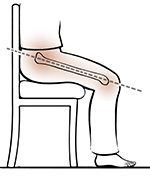
To protect your new hip, you must sit with your knees lower than or level with your hips. To do this, sit in chairs with high seats, preferably chairs with armrests. Placing a firm pillow on the seat of a chair can also help.
Following precautions
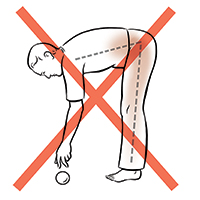
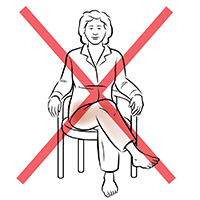
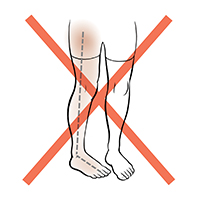
You must protect your new hip by preventing certain positions and movements. This will let your hip heal. It will also help keep it from dislocating. You may also be told to limit how much weight you put on your operated leg. You will learn how to follow precautions when lying, sitting, and standing.
Flexion precaution
Adduction precaution
Internal rotation precaution
Online Medical Reviewer: Raymond Turley Jr PA-C
Online Medical Reviewer: Stacey Wojcik MBA BSN RN
Online Medical Reviewer: Thomas N Joseph MD
Date Last Reviewed: 01/01/2025
© 2000-2026 The StayWell Company, LLC. All rights reserved. This information is not intended as a substitute for professional medical care. Always follow your healthcare professional's instructions.