After surgery, your joint may be swollen, painful, and stiff. Recovery times can vary. Your surgeon will tell you when to resume activity. If you had a loose body or bone spur removed, you may be able to bear weight when the pain is gone. You may need to wear a surgical boot or cast, limit weight-bearing, and use crutches for some time.
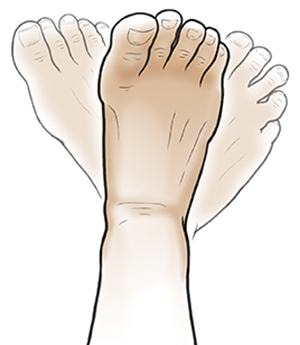
At home
Follow your surgeon’s guidelines for healing:
-
Elevate and ice your ankle.
-
Limit weight-bearing as directed.
-
Use a bandage to compress your ankle.
-
Take pain medicine as directed.
-
Don't drive until your surgeon tells you it's OK to do so.
The checklist below helps remind you what to do after arthroscopy:
☐ Schedule your first follow-up visit after surgery as directed.
☐ Take care of your incision (cut) and bathe as directed.
☐ Complete your physical therapy program.
☐ You can do these activities right away:
___________________________________________
___________________________________________
___________________________________________
Online Medical Reviewer: Raymond Turley Jr PA-C
Online Medical Reviewer: Stacey Wojcik MBA BSN RN
Online Medical Reviewer: Thomas N Joseph MD
Date Last Reviewed: 09/13/2015
© 2000-2026 The StayWell Company, LLC. All rights reserved. This information is not intended as a substitute for professional medical care. Always follow your healthcare professional's instructions.