If your corns or calluses are mild, reducing friction may help. Different shoes, moleskin patches, or soft pads may be all the treatment you need. In more severe cases, treating tissue buildup may require your healthcare provider’s care. Sometimes custom-made shoe inserts (orthotics) or special pads are prescribed to reduce friction and pressure.
Change shoes
If you have corns, your provider may advise wearing shoes that have more toe room. This way, buckled joints are less likely to be pinched against the top of the shoe. If you have calluses, wearing a cushioned insole, arch support, or heel counter can help reduce friction.
Visit your healthcare provider
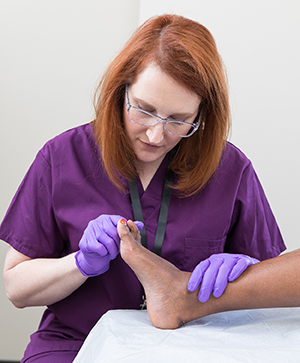
In some cases, your provider may trim away the outer layers of skin that make up the corn or callus. For a painful corn, medicine may be injected beneath the built-up tissue.
Wear orthotics
Orthotics are specially made to meet the needs of your feet. They cushion calluses or divert pressure away from these problem areas. Worn as directed, orthotics help limit existing problems and prevent new ones from forming.
If you need surgery
If a bone or joint is out of place, certain parts of your foot may be under too much pressure. This can cause severe corns and calluses. In such cases, surgery may be the best way to correct the problem.
Outpatient procedures
In most cases, surgery to improve bone position is an outpatient procedure. This means you go home the same day. Your healthcare provider may cut away excess bone, reposition prominent bones, or even fuse joints. Sometimes tendons or ligaments are cut to reduce tension on a bone or joint. Your provider will talk with you about the procedure that's best suited to your needs.
Online Medical Reviewer: Kenny Turley PA-C
Online Medical Reviewer: L Renee Watson MSN RN
Online Medical Reviewer: Thomas N Joseph MD
Date Last Reviewed: 04/01/2024
© 2000-2026 The StayWell Company, LLC. All rights reserved. This information is not intended as a substitute for professional medical care. Always follow your healthcare professional's instructions.