If you’ve had a kidney stone, you may worry that you’ll have another. Removing or passing your stone doesn’t prevent future stones. But with your health care provider’s help, you can reduce your risk of forming new stones. Follow up with your provider to help find new stones. Depending on your medical condition, you may need to follow up every 3 to 12 months for the rest of your life.
Drink lots of water
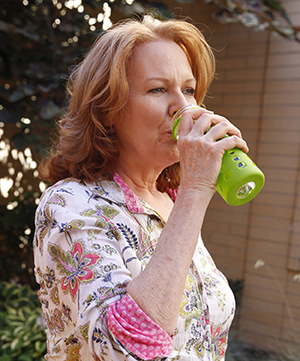
Staying well-hydrated is the best way to reduce your risk of future stones. Drink 8 12-ounce glasses of water daily. Have 2 glasses with each meal and 2 glasses between meals. unless your health care provider has restricted your fluids. Keep track of your intake. Try keeping a pitcher of water nearby during the day and at night. Ask your provider about how much fluid you should have if you have congestive heart failure, kidney disease, or kidney failure.
Take medicines if needed
Medicines, including vitamins and minerals, may be prescribed for certain types of stones. You may want to write your doses and medicine times on a calendar. Some medicines decrease stone-forming chemicals in your blood. Others help prevent those chemicals from crystallizing in urine. Still others help keep a normal acid balance in your urine.
Follow your prescribed diet
Your health care provider will tell you which foods contain the compounds you should not have. Your provider may also suggest talking with a dietitian. They can help you plan meals you’ll enjoy that won't put you at risk for future stones. Bring your spouse, partner, or close friend with you when you meet with the dietitian so you can have support for your diet changes.
You may be told to limit certain foods, depending on which type of stones you’ve had. Limit the amount of salt in your food to about 2 grams a day. This will help prevent most types of kidney stones. Make sure you get enough calcium in your diet, and stay away from extra calcium supplements. The recommended calcium intake to help prevent calcium stones is 1,000 to 1,200 mg per day. (You can eat 3 servings of dairy products with meals to meet the recommendation.)
For calcium oxalate stones: Limit animal protein, such as meat, eggs, and fish. Limit grapefruit juice and alcohol. Limit high-oxalate foods (such as cola, tea, chocolate, spinach, rhubarb, wheat bran, and peanuts). Limit sodium intake, because it causes increased leakage of calcium in your urine.
For uric acid stones: Limit high-purine foods, such as red meat, shellfish, anchovies, and organ meats. These foods increase uric acid production. Stay away from alcohol and drinks with high fructose corn syrup. They can increase your risk of forming another kidney stone.
For cystine stones: Limit high-methionine foods. (Fish is the most common, but they include eggs and meats too.) These foods increase production of cystine.
Online Medical Reviewer: Daphne Pierce-Smith RN MSN
Online Medical Reviewer: Lalitha Kadali
Online Medical Reviewer: Melinda Murray Ratini DO
Date Last Reviewed: 04/01/2025
© 2000-2026 The StayWell Company, LLC. All rights reserved. This information is not intended as a substitute for professional medical care. Always follow your healthcare professional's instructions.