Snacking can be part of a healthy eating pattern. Choosing snacks with nutrient-dense foods can help provide energy and important nutrients between meals. What you eat and how much you eat both matter.
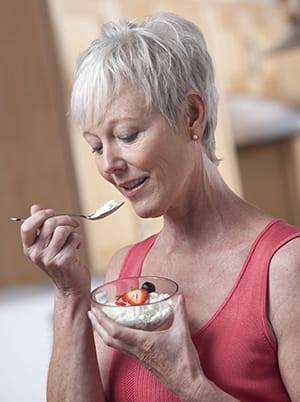
How to make snacks work for you
The key to healthy snacking is to choose a variety of healthy foods in your snacks. Snacks should come from one or more of these food groups:
- Protein foods
- Dairy
- Fruits
- Vegetables
- Healthy fats
- Whole grains
Limit snacks that are highly processed, such as packaged or ready-made snacks. And limit snacks with a lot of added sugars or refined carbohydrates, such as desserts and white bread.
When snacking, pay attention to your hunger and fullness cues. A snack can help bridge the time between meals and support your energy. Choose an amount that feels satisfying and helps you feel comfortable until your next meal.
Pack snacks ahead of time
You may notice changes in your energy or focus if there is a long time between meals. Having a snack available can help support your energy and help you stay comfortable until your next meal. Packing snacks to bring with you to work, school, or other activities can make it easier to choose foods that provide nutrients and fit your needs, rather than relying only on what is available at vending machines or convenience stores.
Ideas for healthy snacks
Here are some ideas you can try:
- Fresh fruit with yogurt
- Apple or banana with peanut butter or other nut butter
- Whole-grain crackers with cheese
- Raw vegetables with hummus
- Raw vegetables with guacamole
- Whole-grain cereal with milk
- Cottage cheese with fruit
- Unsweetened applesauce with nuts or seeds
- Whole-grain toast or bagel with nut butter
- Whole-grain crackers with turkey or chicken
- Hard-boiled egg with whole-grain crackers
- Yogurt with granola or whole-grain cereal
- Fresh fruit with a handful of nuts or seeds
- Whole-grain tortilla with cheese or turkey
- Vegetables with yogurt-based dip
Online Medical Reviewer: Daphne Pierce-Smith RN MSN
Online Medical Reviewer: Raymond Turley Jr PA-C
Online Medical Reviewer: Shaziya Allarakha MD
Date Last Reviewed: 04/01/2025
© 2000-2026 The StayWell Company, LLC. All rights reserved. This information is not intended as a substitute for professional medical care. Always follow your healthcare professional's instructions.